How We Pick the Best Fruit
See how Mangokhas selects premium Pakistani mangoes in Mirpurkhas: hand picking, grading, packing, and mango delivery standards for Sindhri, Chaunsa, Langra, and Anwar Ratol.
How We Pick the Best Fruit
Aamna Kamal • 12 May 2026 • 20 min read
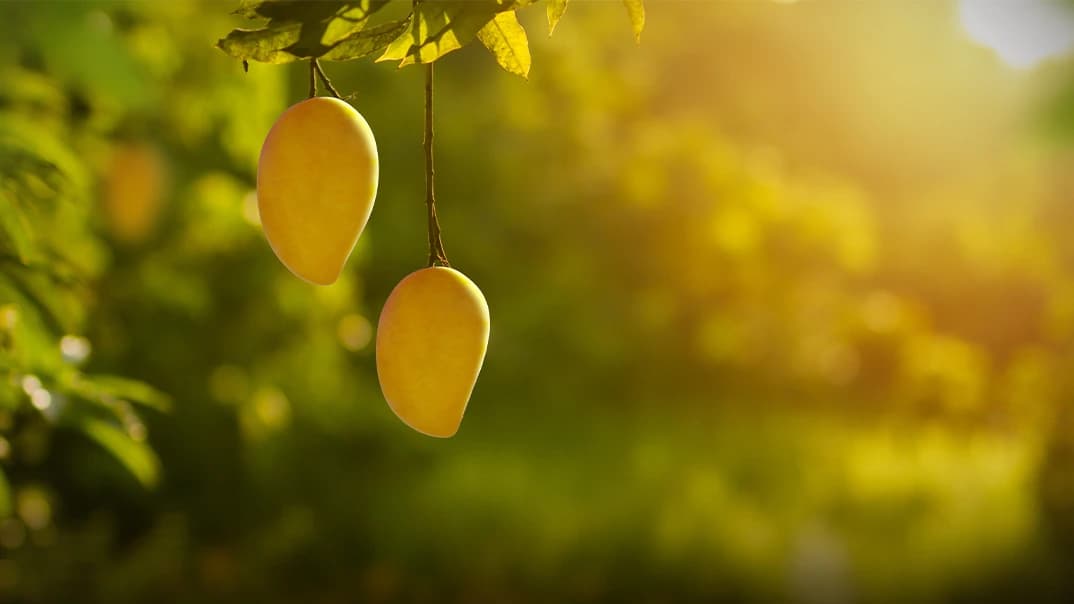
Behind every mango box from Mangokhas is a process built on patience, standards, and respect for the fruit. Customers often ask us: "How do you pick mangoes for online orders?" Fair question. Anyone can put fruit in a carton. Not everyone can deliver consistent quality across Karachi, Lahore, Islamabad, and smaller cities where transit time matters.
This article walks through our full quality journey: orchard selection, hand picking, grading, packing, and delivery. If you care about premium mangoes in Pakistan, mango delivery quality, or simply want to know why some boxes taste better than others, you are in the right place.
Good mangoes are chosen, not collected
There is an old saying in our team: good mangoes are not found, they are chosen. That sounds poetic until you stand in an orchard at 6 AM and realize how many fruits look fine from far away and disappoint up close.
Commercial harvesting often optimizes for volume and shelf appearance. We optimize for eating experience. That means saying no to fruit that is underripe, overripe, damaged, or likely to fail during transit. It also means accepting lower yield per tree in exchange for better customer trust, which is the trade we choose every season.
If you are new to Mangokhas, start with our About page for context on Mirpurkhas roots and founder Hazik Bajwa's story. Then come back here for the operational details.
Step 1: Orchard planning before the first pick
Quality control starts weeks before harvest. We track variety timing across blocks: Sindhri first, then Langra and Ratol windows, with Chaunsa following according to heat units and local conditions. Our orchard partners share daily field notes so we can plan pick teams, crate supply, and packing shifts without last-minute chaos.
Pre-season checks include:
- Tree health and irrigation consistency
- Expected harvest windows by variety
- Weather risk planning for heat spikes and wind
- Labor scheduling for hand picking crews
- Transport timing from orchard to packing area
This planning is especially important for customers ordering mixed variety boxes. We coordinate picks so fruit in the same shipment ripens in a sensible sequence, not all at once or all a week apart.
Step 2: Hand picking in Mirpurkhas orchards
Every mango is picked by hand. Pickers are trained to harvest with stems handled carefully and fruit placed in crates without stacking pressure that causes bruising. We avoid rough drops because a hidden bruise on day zero becomes a soft spot complaint on day two.
At the tree, pickers evaluate:
- Maturity cues: variety-specific color shift, shoulder fill, and aroma when applicable
- Firmness: enough body for travel, enough development for flavor after ripening
- Size grade: consistent sizing within each box class
- Surface quality: acceptable natural marks vs fruit that should be sorted out
Sindhri, Chaunsa, Anwar Ratol, and Langra all have different visual signals. Our leads know those differences because they have worked the same orchards for years, not because they read a one-page chart once.
Step 3: First sort at the orchard edge
Before fruit leaves the farm area, we run a quick field sort. Obviously damaged or underdeveloped fruit is removed immediately. This saves time later and prevents weak fruit from heating up in transit to the packing zone.
Field sorting is also where we separate fruit intended for fresh boxes vs fruit destined for kitchen products like achaar and dried mango. Not every mango needs to be picture-perfect for pickling, but it must be clean, fresh, and flavor-appropriate. Kitchen fruit has its own standards, which we explain in Why Our Achar is Unique.
Step 4: Grading and inspection at packing
At packing, every batch gets a second inspection under better lighting. This is where we finalize grades for premium gift boxes, family cartons, and value packs. Graders look again at firmness, skin quality, size consistency, and aroma.
We sort into practical categories customers actually feel in the box:
- Premium gift grade: best appearance and uniform size
- Standard family grade: excellent eating quality with minor natural variation
- Kitchen grade: ideal for achaar, pulp, and processed products
This tiered approach reduces waste and keeps pricing fair. You are not paying gift-box prices for fruit that was never intended to be a gift box, and we are not throwing good eating fruit away because it has a small cosmetic mark.
Step 5: Ripening logic and shipping decisions
Mango delivery in Pakistan is a race against time and temperature. We ship fruit at stages matched to destination transit length. Karachi boxes may leave slightly differently than Islamabad or Peshawar boxes because travel time and ambient heat profiles differ.
Our team uses a simple decision framework:
- Shorter transit routes can include slightly more developed fruit.
- Longer routes need firmer fruit with controlled ripening at home.
- Weekend delivery patterns are planned to avoid unnecessary sitting in hubs.
- Customer notes (gift date, event date) are flagged before dispatch.
If you are ordering for a specific occasion, tell us in advance through Contact. We would rather adjust pick timing than rush a box that arrives too early or too late.
Step 6: Packaging that survives real Pakistani roads
Packaging is where many mango programs fail. We use ventilated cartons, internal cushioning, and variety-aware stacking so weight is distributed safely. Gift boxes get extra protection because they are often opened in front of other people, and first impression matters.
Our packing checklist includes:
- Clean, dry cartons every run
- Protective layering between fruit rows
- Airflow-friendly closure (mangoes need to breathe)
- Clear labeling for city, order type, and handling notes
- Optional handwritten gift messages when requested
Want to know what happens if something goes wrong in transit? Our refund policy explains how we handle valid quality concerns with fairness and speed.
Step 7: Dispatch, delivery partners, and customer communication
Once boxes leave packing, our operations team tracks dispatch batches by city corridor. During peak season we increase check-ins because courier loads spike and weather can change routing. We communicate proactively when a regional delay is likely, especially during heat waves or holiday weekends.
Mangokhas prices include nationwide delivery, so customers can focus on choosing varieties instead of calculating hidden shipping math. That model only works if we treat logistics as part of product quality, not an afterthought.
The same standards for achaar and chutney fruit
Our picking philosophy does not stop at fresh boxes. Fruit for achaar and chutneys is selected for pickling character: proper acidity, firm flesh, and clean skin before kitchen processing. Shikarpuri-style mango achaar needs fruit that can hold texture in mustard oil and spices without turning mushy in a week.
Kitchen batches are smaller than factory production, which gives us tighter control over spice balance, oil quality, and hygiene. That is why many customers who buy mangoes from us also trust our condiments. It is one supply chain, one quality mindset.
How to choose your variety when ordering online
Not sure what to buy? Use this quick guide:
- Sindhri: classic gifting, aromatic sweetness, crowd-pleasing
- Chaunsa: rich pulp, late-season indulgence, dessert favorite
- Anwar Ratol: compact premium fruit, great for mixed family boxes
- Langra: bright flavor, juicy texture, excellent for summer tables
Still unsure? Message us before you order online. We will help you match variety to taste preference, budget, and delivery date.
What customers should do when the box arrives
Even perfect fruit needs sensible handling at home:
- Open the box within a few hours of arrival when possible.
- Ripen in shade, not direct sunlight on the terrace.
- Separate softer fruit from firmer fruit to avoid pressure spots.
- Refrigerate after ripening if you are not eating the same day.
For more practical tips, see season updates in Mango Season Kicks Off and our FAQ section.
Why process transparency matters
Food trust is built in public. Anyone can claim "farm fresh." Few brands explain how fruit moves from orchard to doorstep with this level of detail. We publish these standards because customers deserve to know what they are paying for, and because we want to raise expectations across the category.
If you have been disappointed by online fruit before, we get it. Try one box this season and judge us on flavor, aroma, and consistency. Then explore our News hub for more guides, including our achaar story.
Ready for your first box? Visit the Mangokhas shop, choose your varieties, and taste what careful picking actually feels like.
Our Products
A curated selection of our finest offerings — from fresh mangoes to handcrafted chutneys and more.
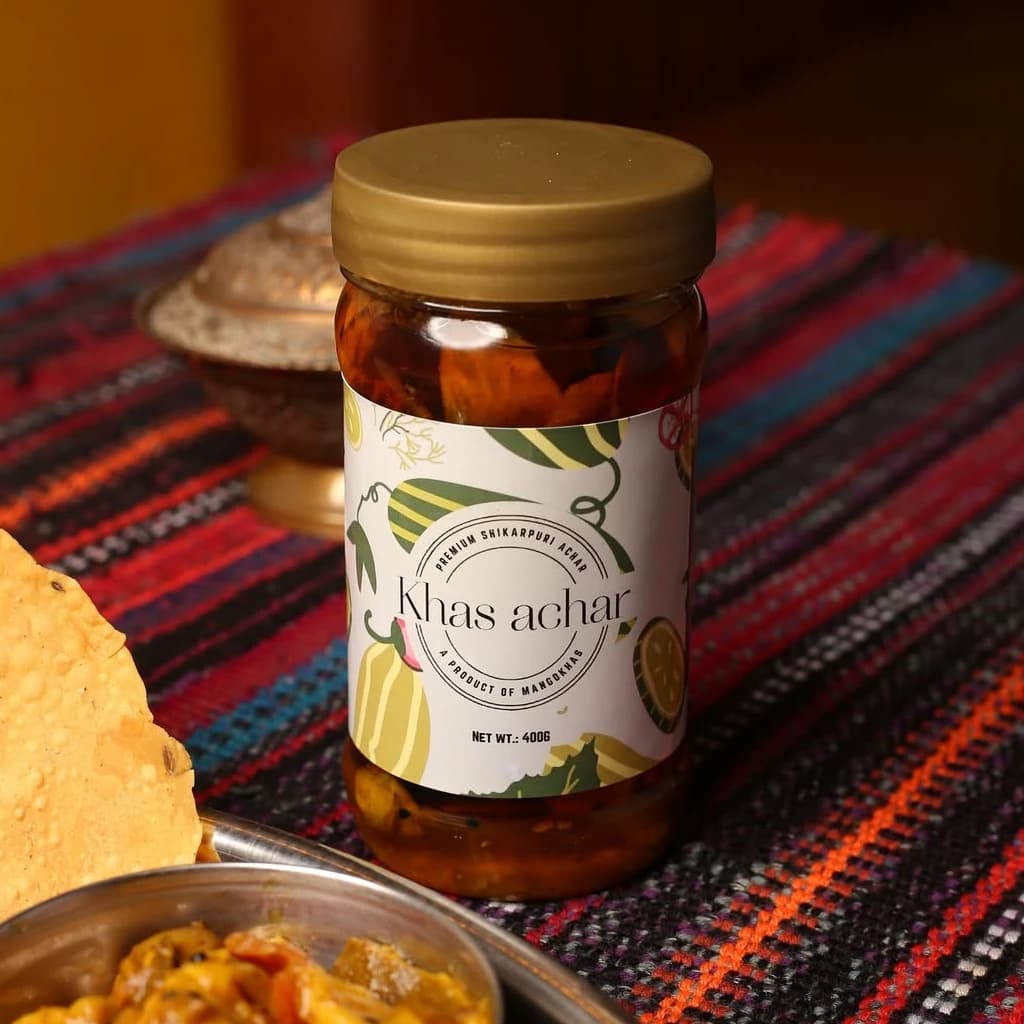
Achaar
Tangy and spicy Shikarpuri-style achaar with mangoes, carrots, and whole spices — bold flavor in every bite.
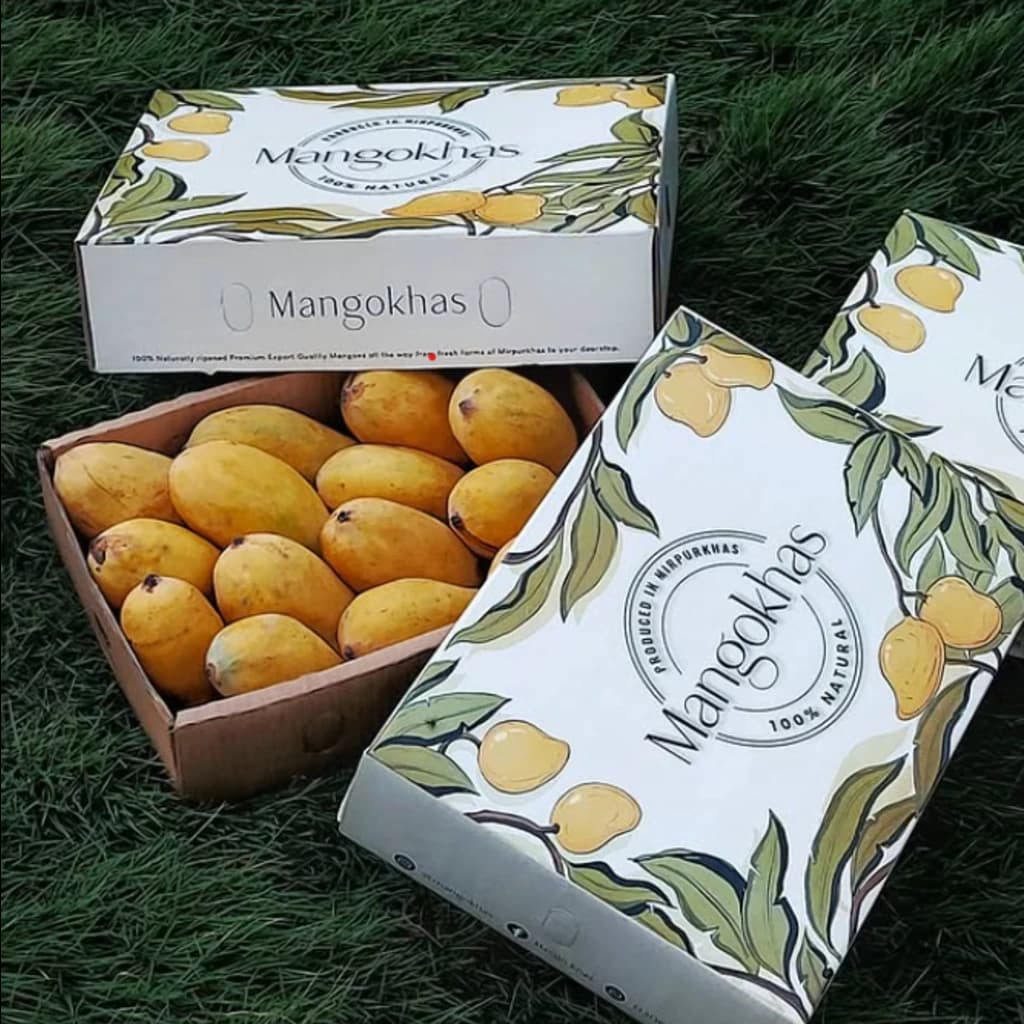
Mangoes
Exceptionally aromatic and pulpy Mirpurkhas mangoes, known for their intense sweetness and premium quality.
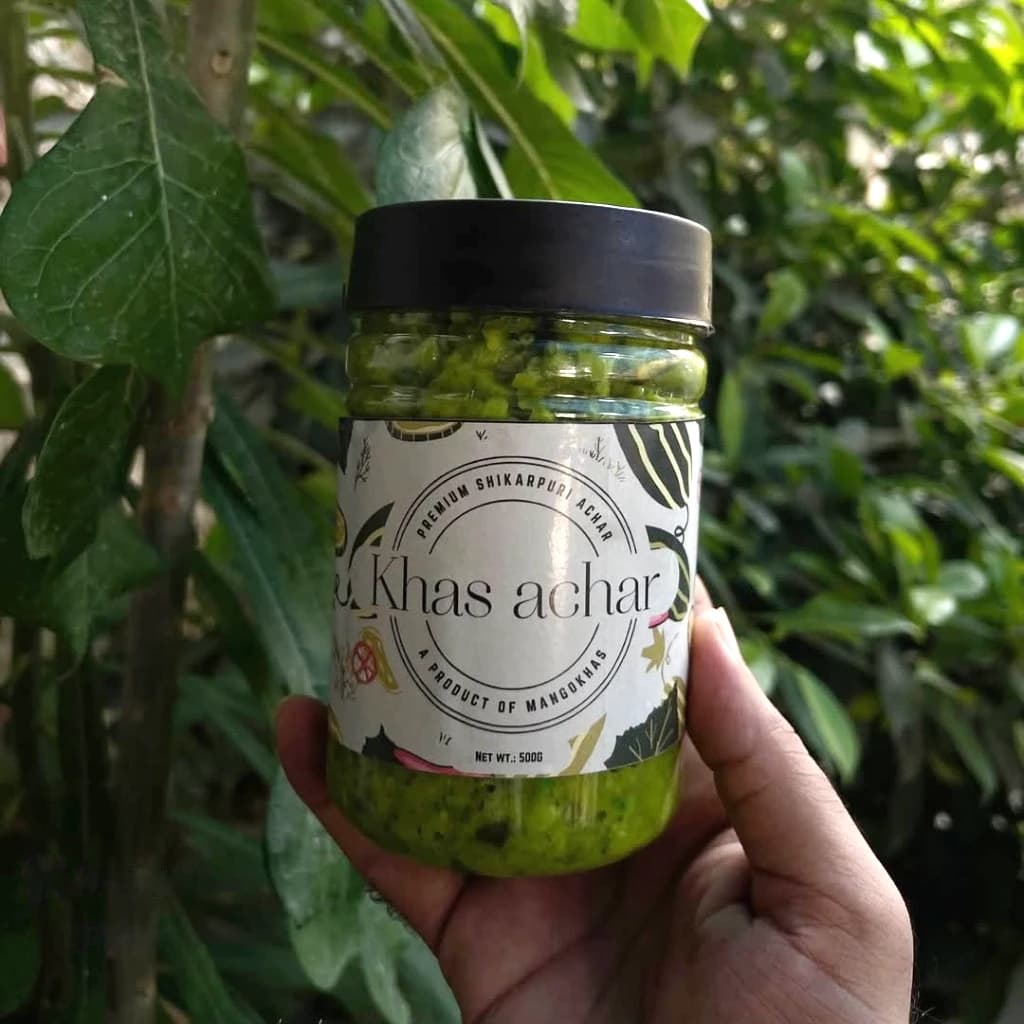
Chutneys
A selection of house-made chutneys like hari chutney — fresh, vibrant, and the perfect complement to any meal.

Other Products
Explore dried mangoes, branded merchandise, and seasonal specialty items crafted with care.

Frequently Asked Questions
Everything you need to know about Mangokhas products, delivery, ordering process, and more.